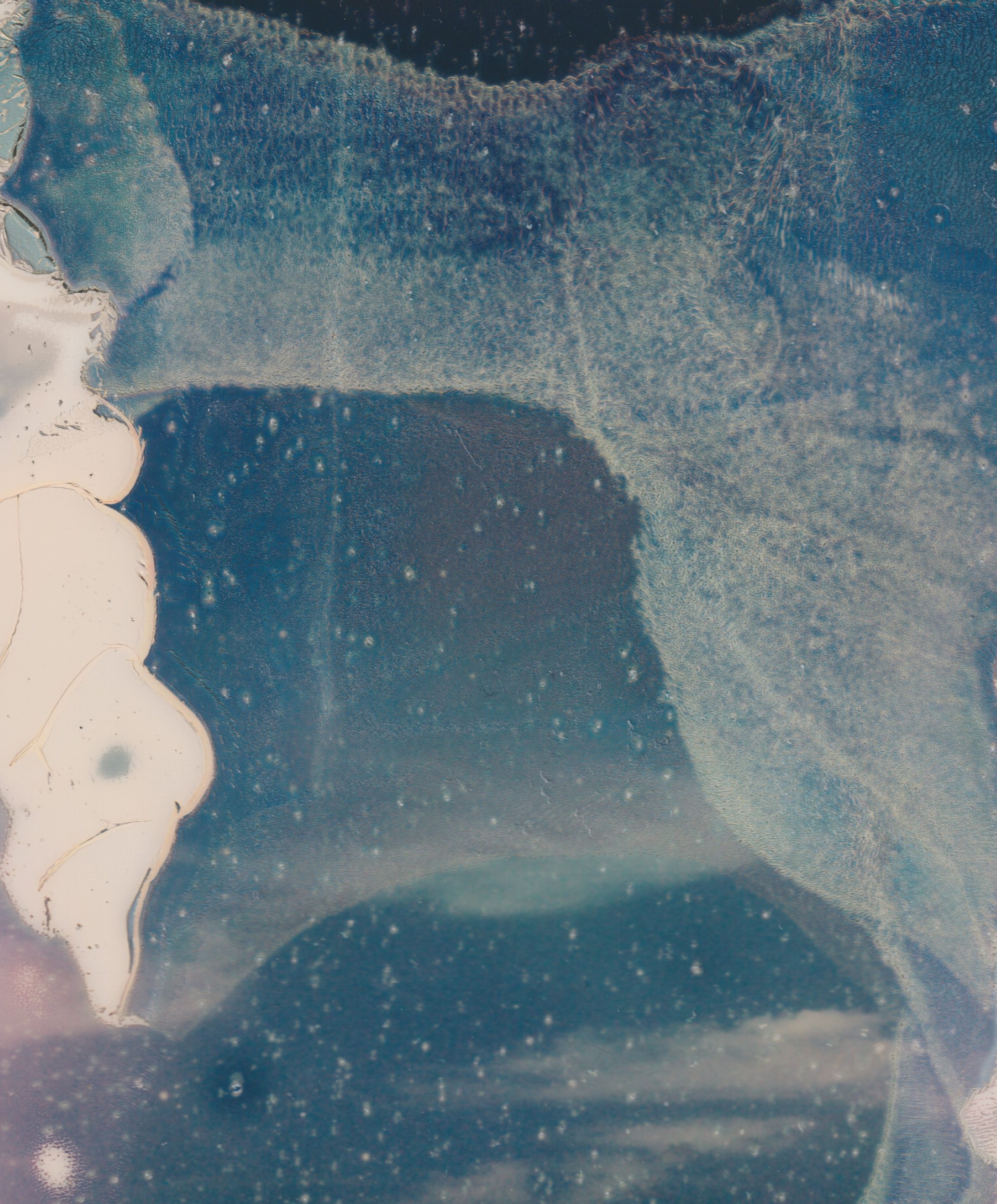
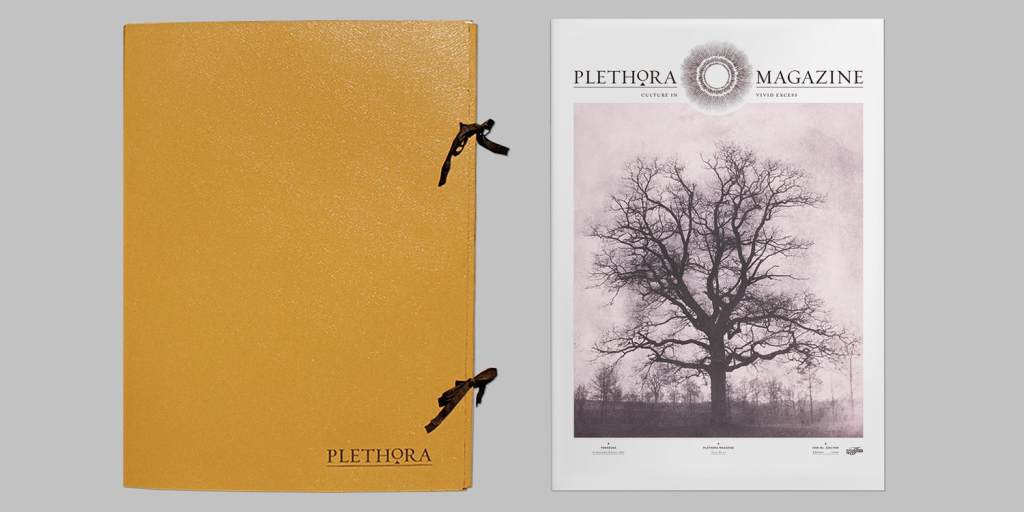
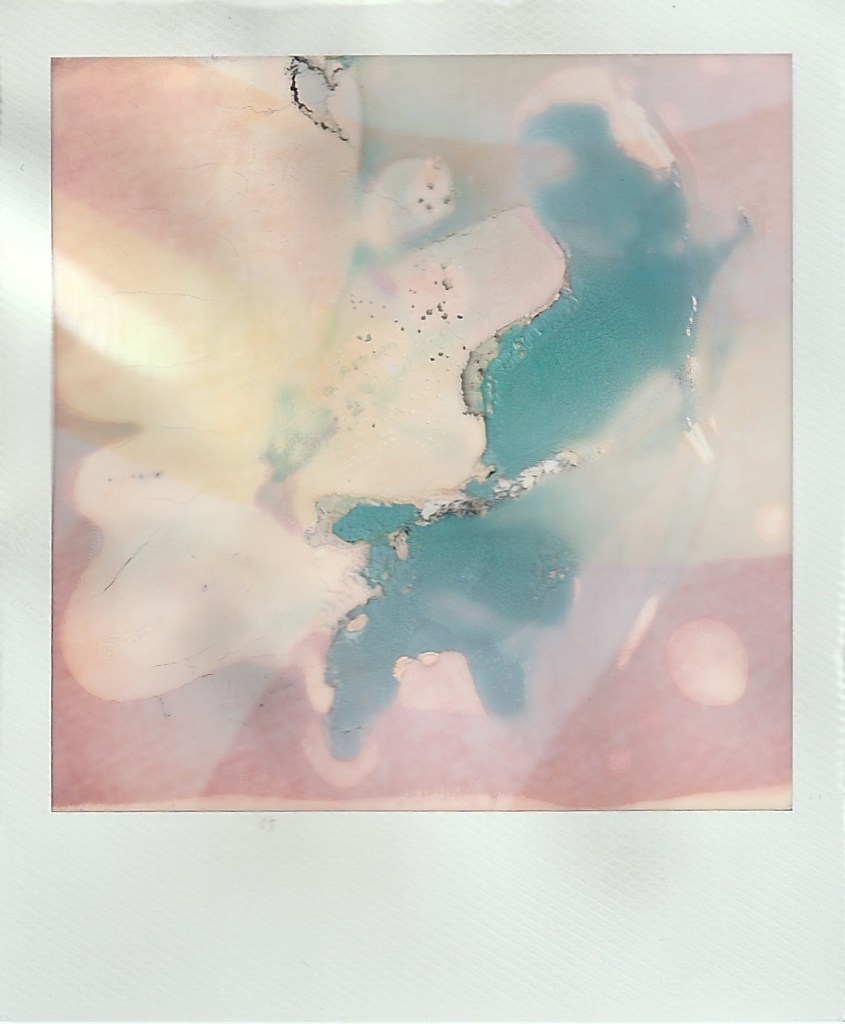
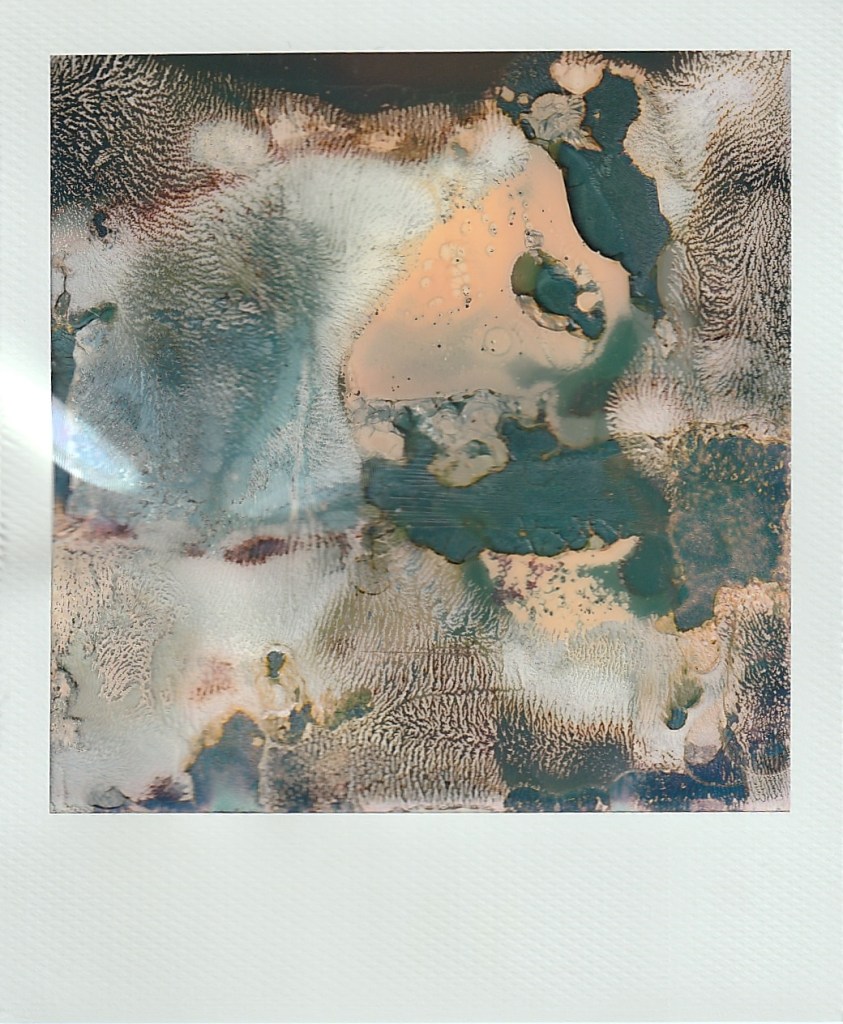
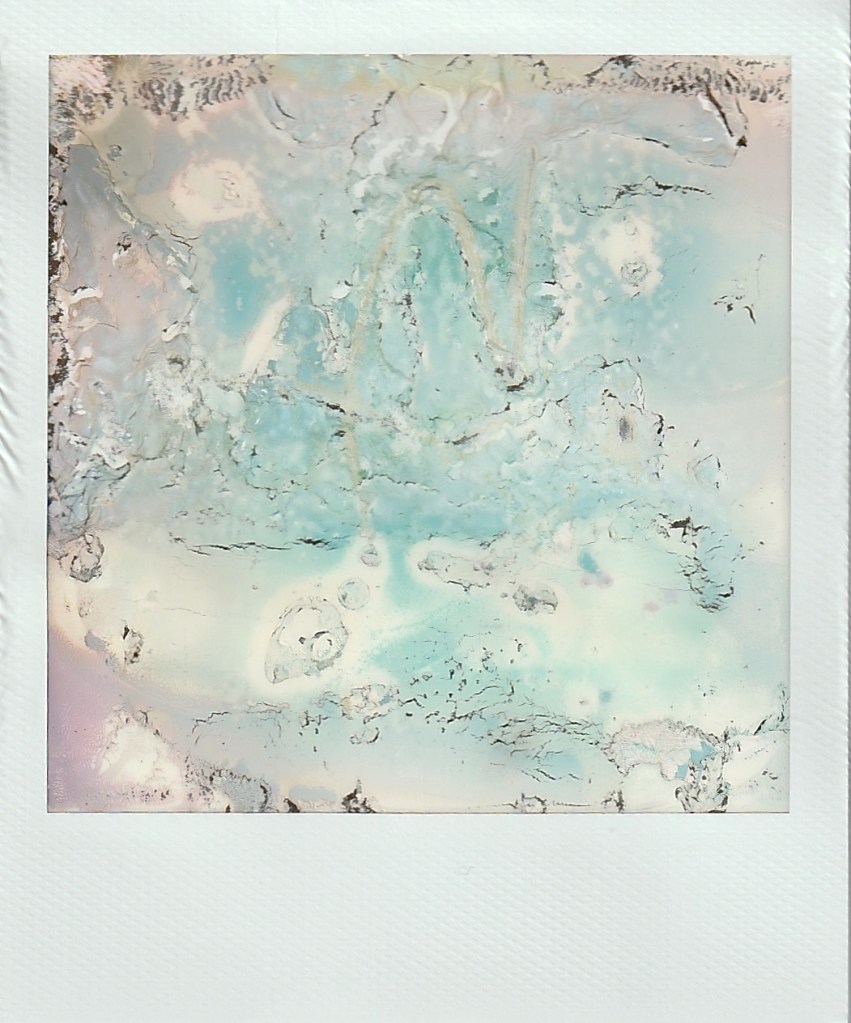
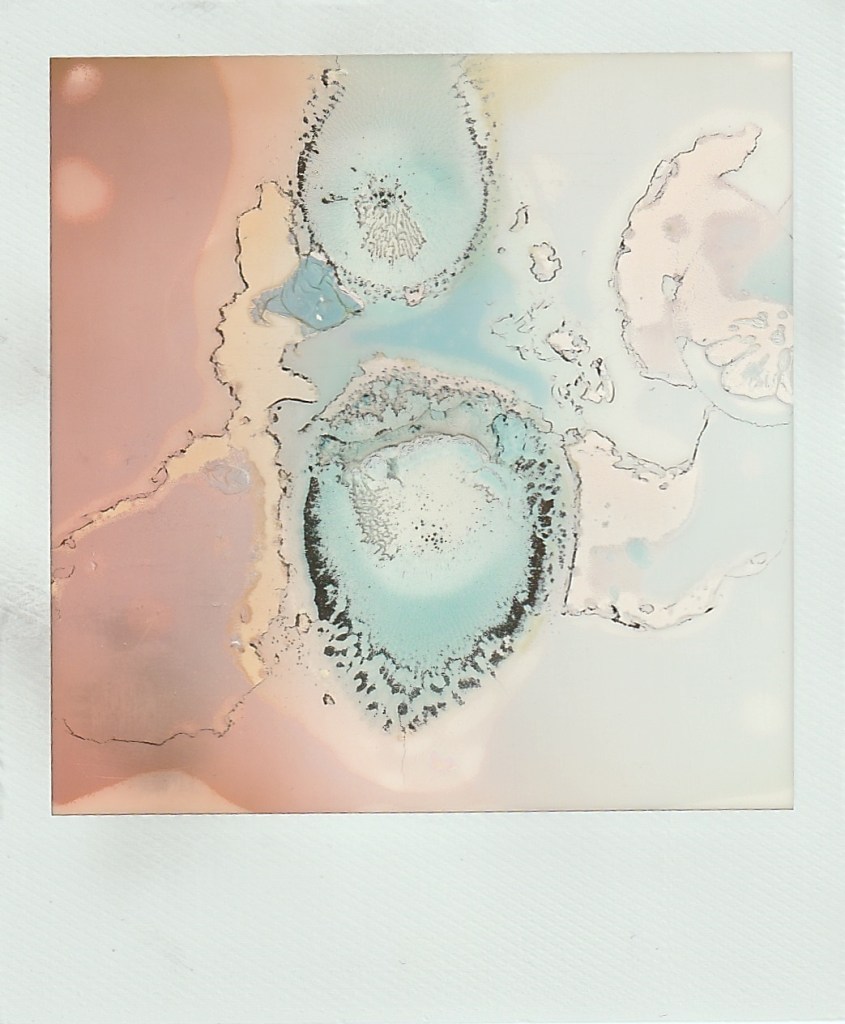
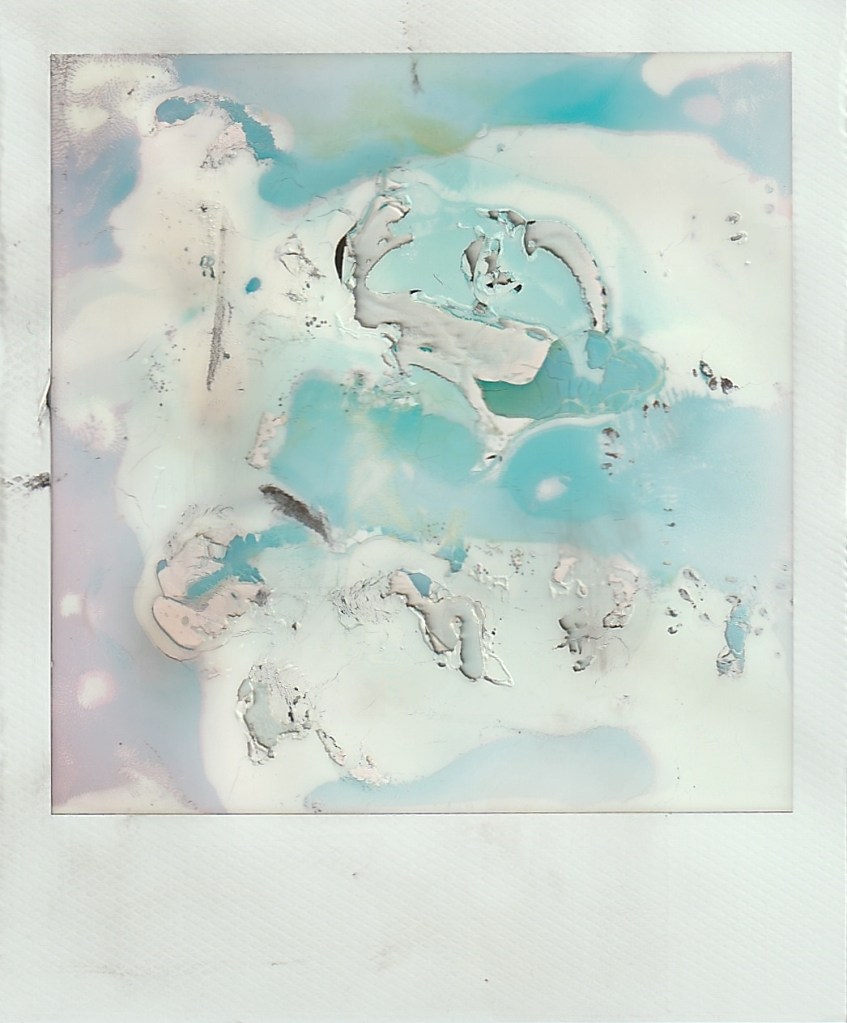
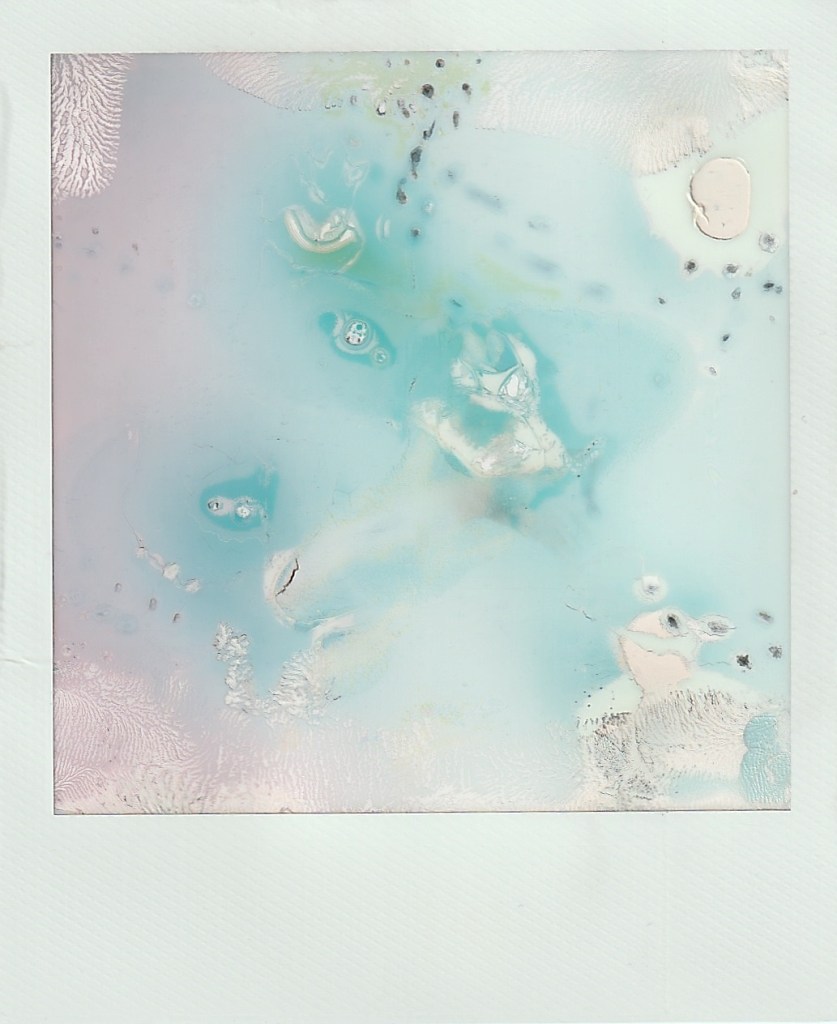
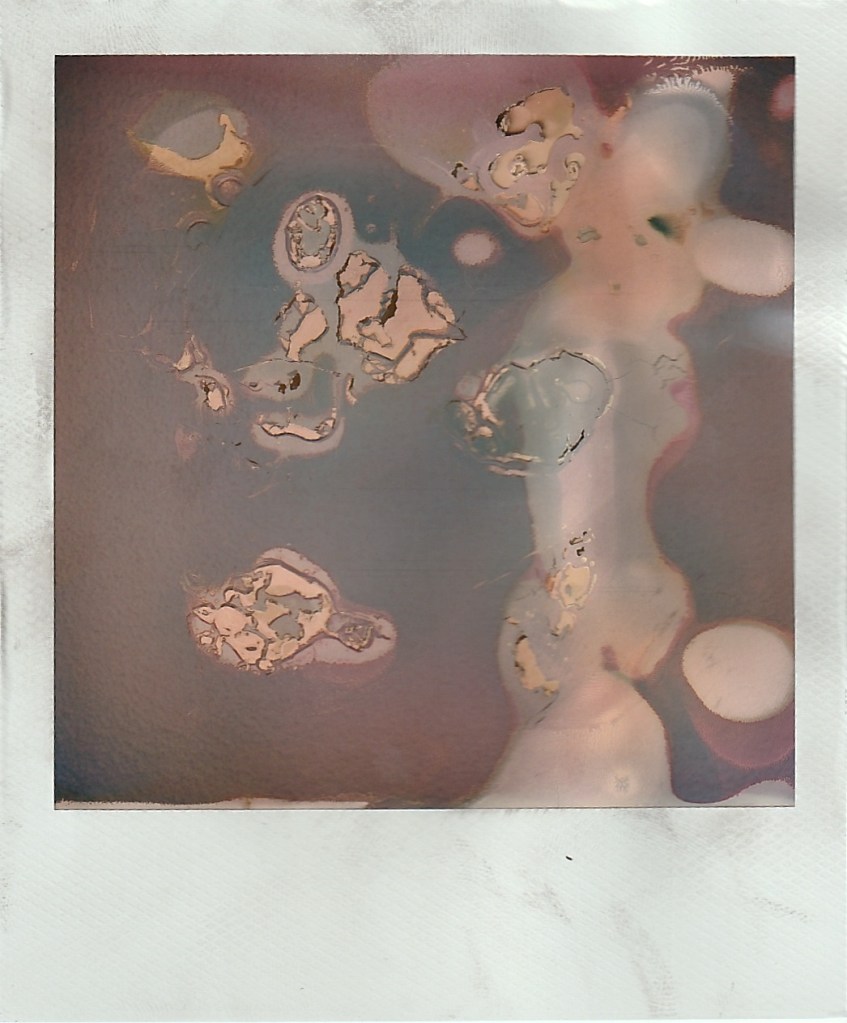
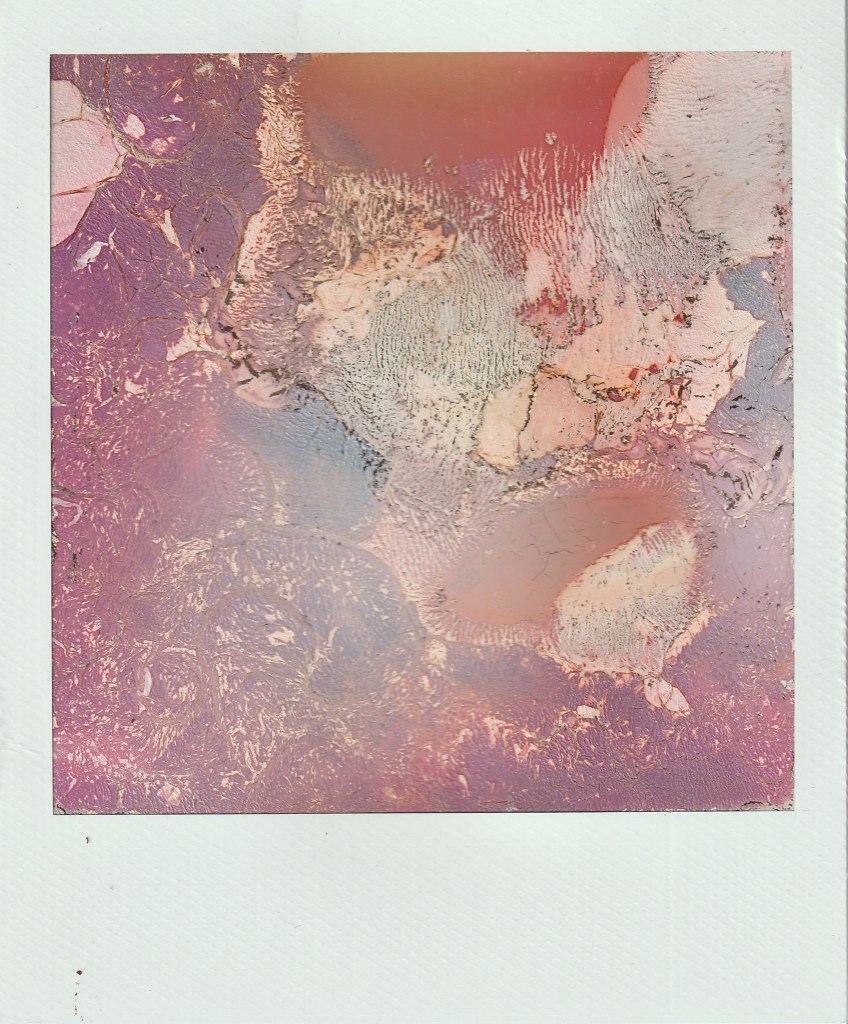
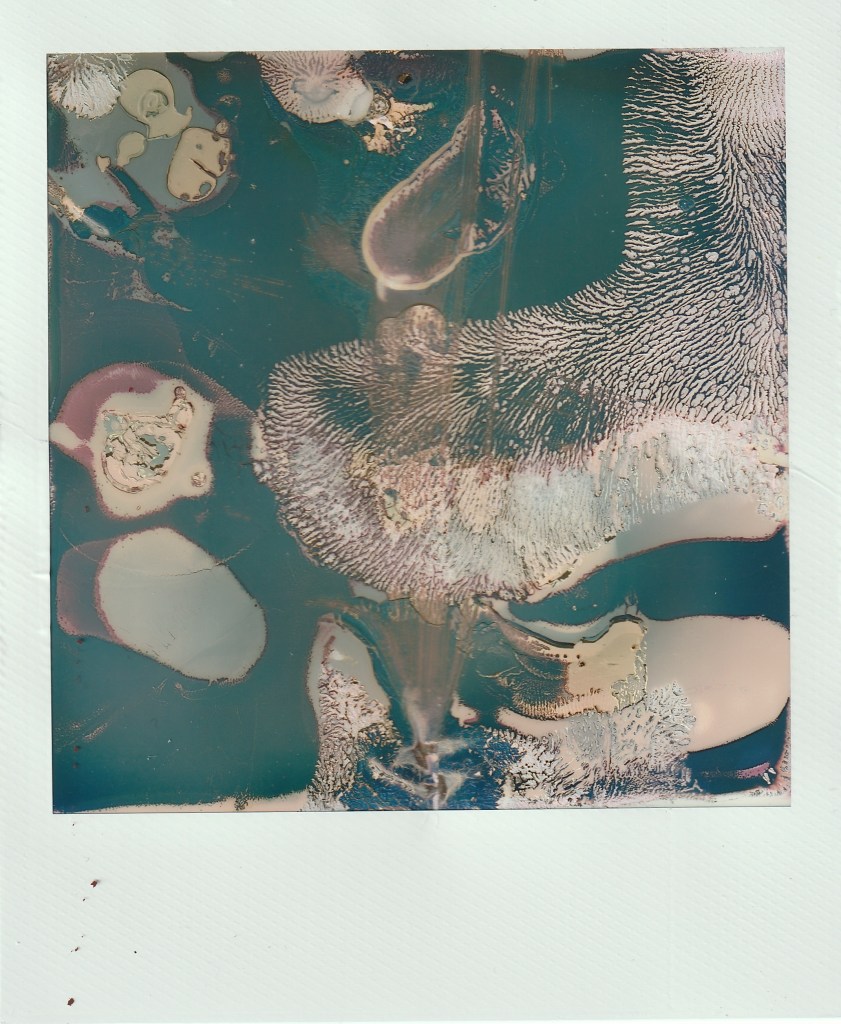
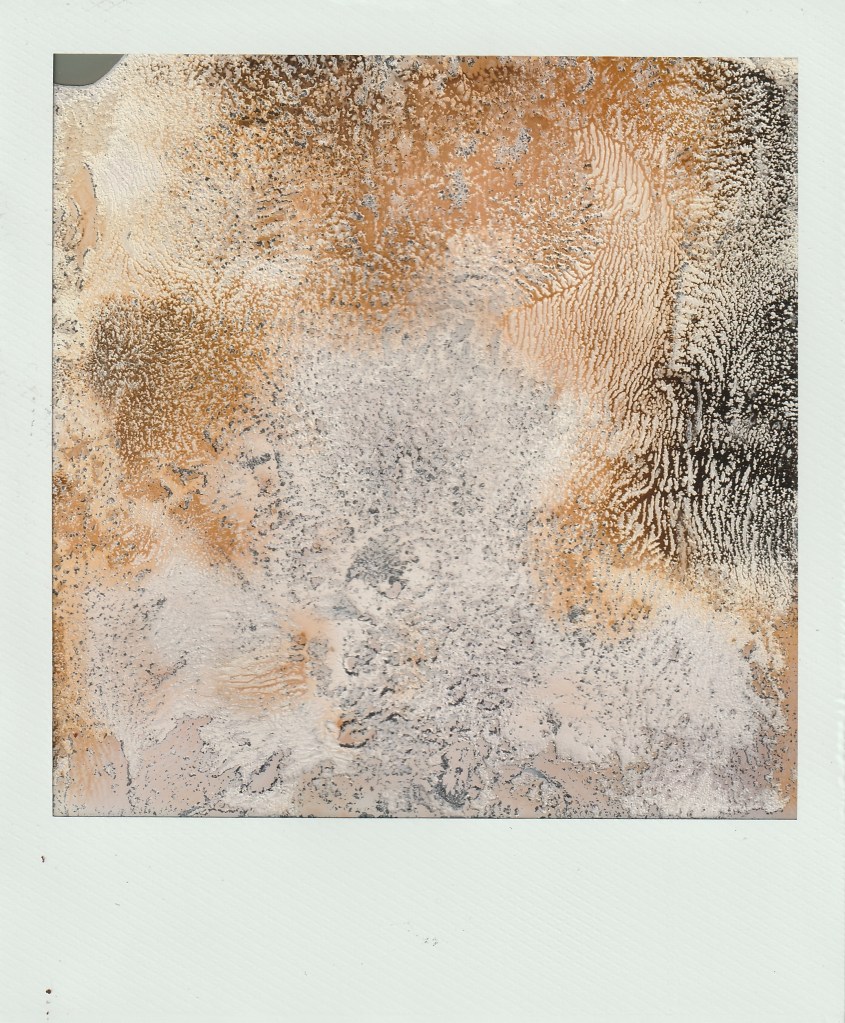
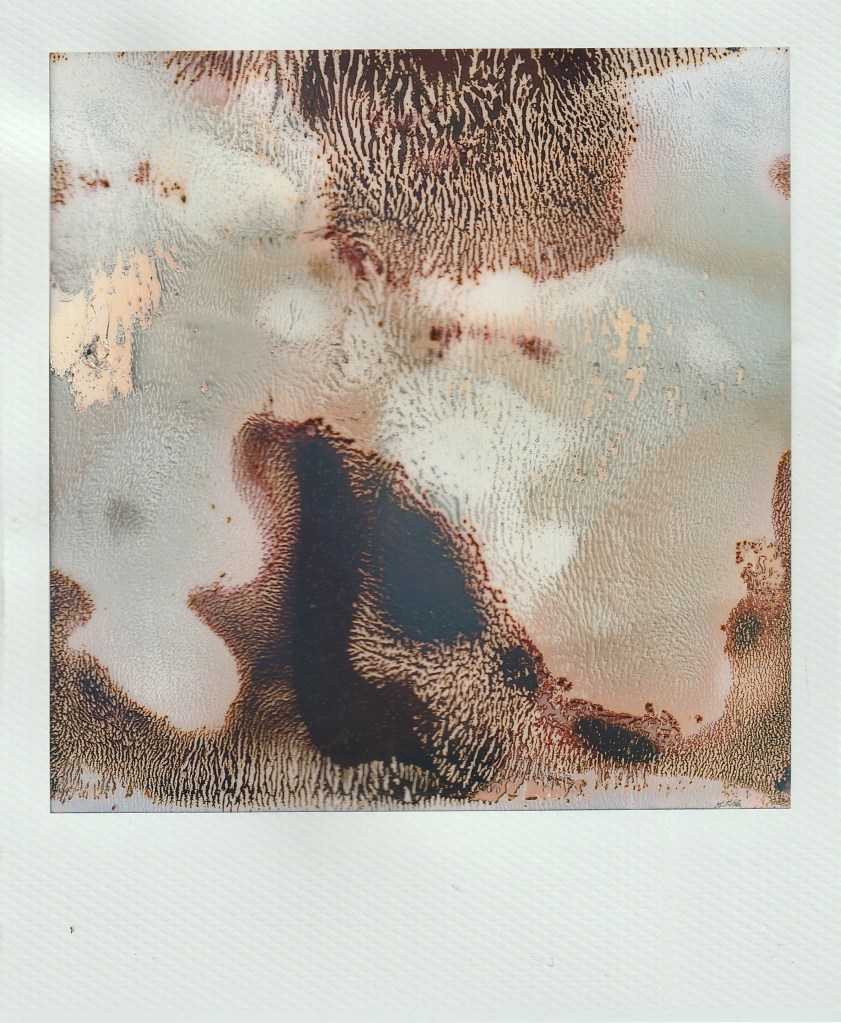
Fourteen of my Experimental Polaroids (no.’s 116, 71, 50, 29, 115, 148, 103, 125, 13, 32, 82, 53, 138, and 80) were been featured in issue 12 of Plethora Magazine, alongside an article titled “PAREIDOLIA: Tracing the Contours of Familiarity” by Metha Reis-Nordentoft. Information regarding the issue can be found here.
About the polaroids, Metha Reis-Nordentoft says:
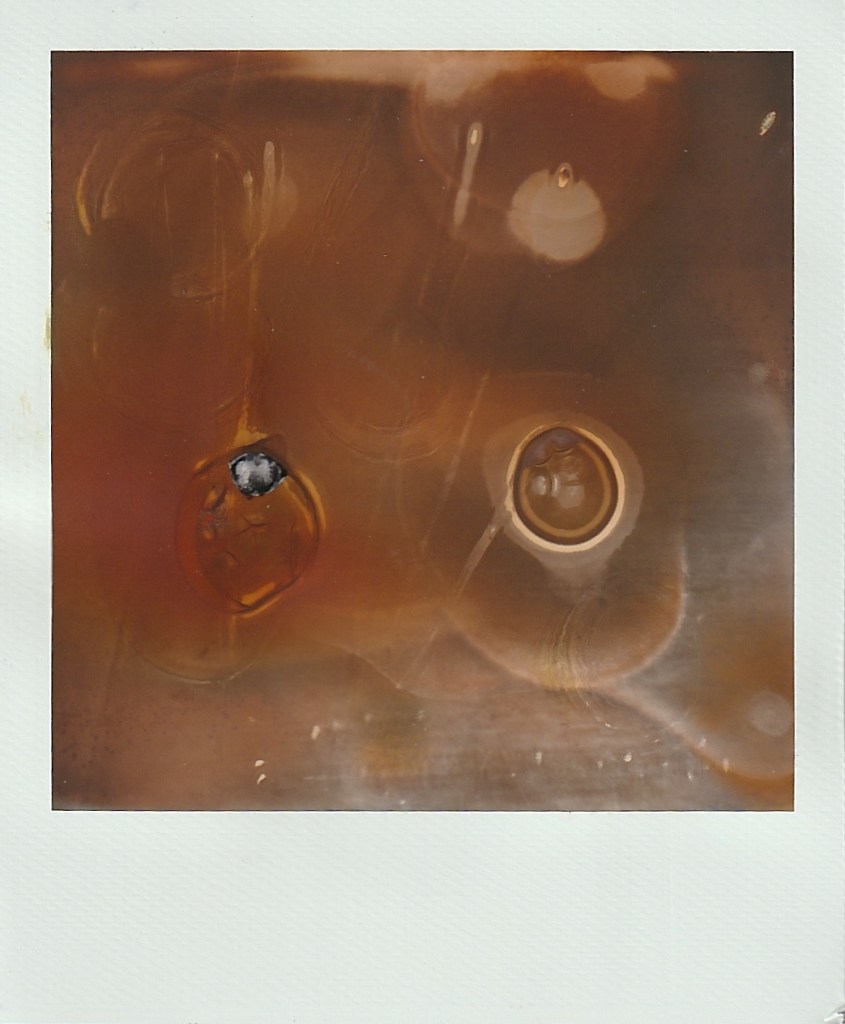
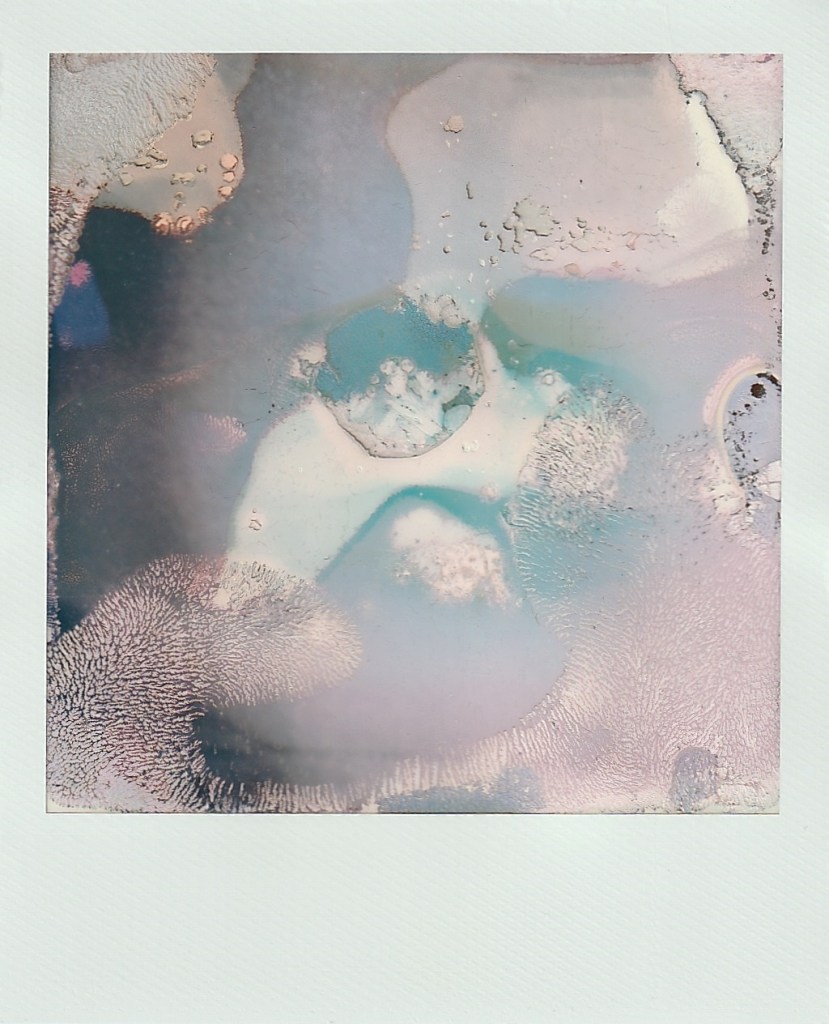
In Kristopher Biernat’s experimental Polaroids, we see teardrop-shaped figurations branching into fractals and imprints that resemble a jumble of fingerprints. Our eyes can lose themselves in the patterns as if they were a landscape, a labyrinth. But suddenly the whole picture looks like a screaming face, brightly lit by something outside the picture.
Biernat’s abstract Polaroids are reminiscent of the work of experimental film artist Bill Morrison, who composes old partially dissolved nitrate films into new works. In Morrison’s work, the inherent materiality of film comes to the fore. The otherwise transparent medium, celluloid, bursts into colour and abstract patterns as it weathers. In other words, in its own decomposition, new images emerge with a renewed aesthetic quality. In Morrison’s films, the old, captured images- the film scenes- are glimpsed ‘beneath’ the new aesthetic of decay. It is as if the two image forms are fighting each other. Morrison’s films are like preserved ruins where decay is frozen at its most beautiful stage, where the history of the building can still be seen but it has simultaneously acquired a new aesthetic relevance in its new abstract form.
In Biernat’s Polaroids, abstraction has taken over, and the many associations that arise from the images are harder to grasp. They slip away, like the eyes in the wooden ceiling. But the haptic experience remains. The eyes glide over the Polaroid, sending nerve signals to the fingers as if you were touching the structure of the image with your sight.
The marvel of pareidolia is the possibility it holds to be able to waver back and forth between seen and unseen. Our vision can be adjusted to see only the tree but, if we want to, also see the face twisting towards us.
 Kristopher Biernat
Leave a comment